
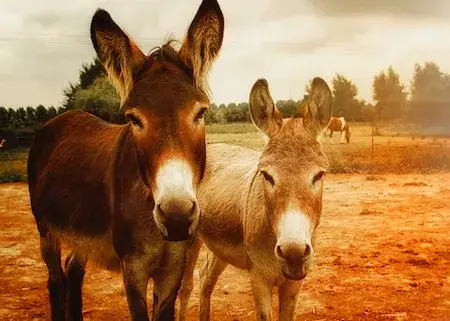
 Why does my horse, pony or donkey need a passport?
Since 1st June 2009 it has been a legal requirement for all equines in the UK to have their own passport. Equines being registered for the first time must also be permanently identified with a microchip as well.
Every horse must have a passport for food safety reasons. On rare occasions horses from the UK will enter the food chain, usually after travelling abroad. Any medicine given to a food producing animal must be recorded in this document and drug withdrawal times compiled. Of course, many of the medicines available for use within the equine industry are not safe for humans, and as such, we are able to opt out of ever allowing our equine to be used as a food producing animal.
Within every passport issued since 1st June 2009, a medicines section is present (either section II or IX). This is the section which means the passport is legally compliant. The owner or keeper of the horse must make a declaration within this section stating the intent regarding whether the horse is intended for slaughter for human consumption or not. Any horse having been issued a passport as an adult, or as a replacement will automatically be excluded from entering the food chain.
Since October 2020 it has also been a legal requirement for every equine to be permanently identified by means of a microchip. This means any horse passported prior to 1st June 2009 needs to have a new microchip implanted and registered.
This is facilitates the registration of all equines within the UK in a Central Horse Database, allowing identification of owners in abandonment scenarios and improved equine welfare within the UK. Penalties are likely to be given to those not complying with this ruling with sanctions of up to £200 fines becoming possible.
