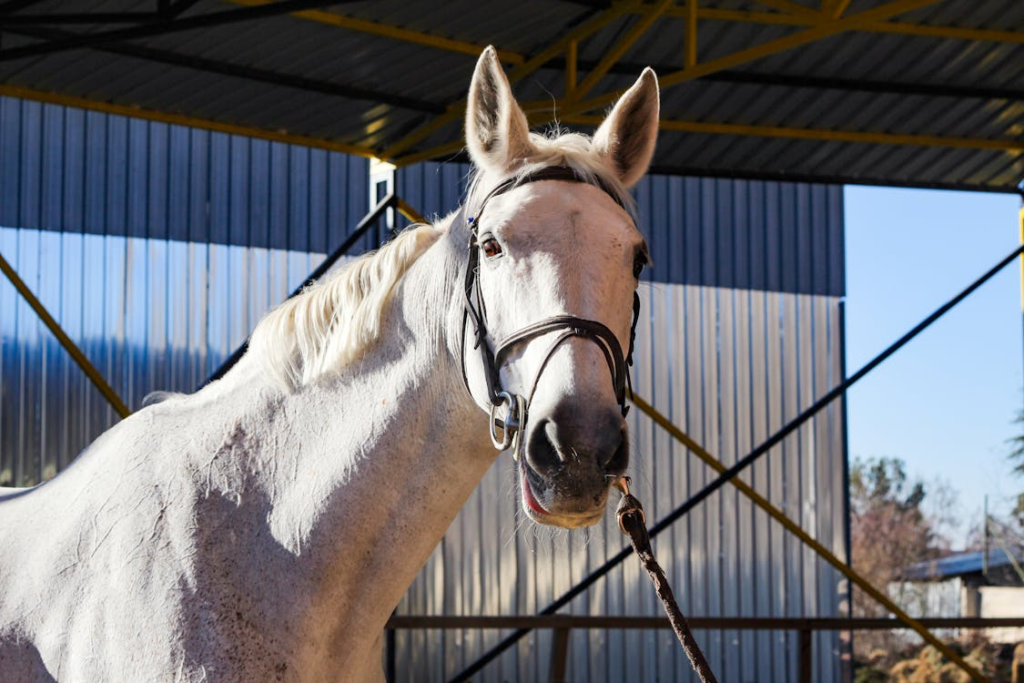
Choosing an equine veterinarian is one of the most important long-term decisions you will make for your horse. Veterinary care shapes not only how illness and injury are treated, but how effectively problems are prevented in the first place. Whether you own a competition athlete, breeding mare, young prospect, or retired companion, the quality of veterinary partnership you establish will influence comfort, performance, and overall wellbeing for years to come. When it comes to choosing an equine veterinarian, understanding what truly matters helps ensure you make an informed and confident decision.
Experience and focus are fundamental. Equine medicine is a specialised discipline that differs significantly from small animal or mixed practice. Horses present unique anatomical, physiological, and behavioural challenges. A veterinary team dedicated specifically to equine work develops depth across lameness diagnostics, internal medicine, reproduction, dentistry, emergency response, surgery, and performance evaluation. When choosing an equine veterinarian, it is important to consider whether the practice routinely manages cases similar to your horse’s needs.
However, experience alone is not enough. Veterinary medicine evolves continuously. New research, updated treatment protocols, regenerative therapies, and advanced diagnostic technologies regularly reshape best practice. A practice that prioritises continuing professional development demonstrates commitment to maintaining high clinical standards. Ongoing education ensures that recommendations are evidence-based rather than outdated.
Availability and responsiveness are also critical considerations. Horses do not choose convenient times to develop colic, sustain injury, or experience foaling complications. Reliable emergency cover provides reassurance that support is available when it matters most. When choosing an equine veterinarian, ask about emergency arrangements, response times, and after-hours coverage. Structured emergency systems reflect organisation and preparedness.
Diagnostic capability significantly influences quality of care. Modern portable equipment allows detailed lameness investigations, digital radiography, ultrasonography, endoscopy, and laboratory testing to be performed efficiently. Access to hospitalisation facilities adds an additional safety layer for cases requiring close monitoring or intravenous therapy. When advanced referral is necessary, a practice with established relationships and clear referral pathways ensures continuity rather than fragmentation of care.
Communication remains one of the most important — and often overlooked — aspects of choosing an equine veterinarian. Owners know their horses intimately. Subtle behavioural changes, performance inconsistencies, or appetite shifts may be the earliest indicators of discomfort. A veterinarian who listens carefully, values your observations, and explains findings clearly fosters trust and collaboration. You should feel comfortable asking questions and discussing options without feeling dismissed or rushed.
Transparency in treatment planning is equally important. Clear explanations of diagnostic findings, proposed interventions, costs, risks, and expected outcomes allow informed decision-making. Veterinary medicine sometimes involves uncertainty; honest communication about prognosis and realistic expectations prevents misunderstanding later.
Continuity of care strengthens long-term outcomes. When the same veterinary team follows your horse over time, patterns are recognised earlier. Subtle weight changes, mild asymmetry, gradual metabolic shifts, or recurring performance inconsistencies become easier to detect. Familiarity improves preventative planning and allows tailored recommendations that reflect the individual horse rather than a generic protocol.
Preventative medicine should form a central part of the practice philosophy. Vaccination planning, targeted parasite control, dental care, metabolic screening, and early lameness evaluation reduce the likelihood of avoidable disease. A practice that emphasises prevention demonstrates a welfare-first approach rather than solely reactive treatment.
Professionalism and organisation also matter. Clear record-keeping, timely reporting of diagnostic results, structured follow-up communication, and efficient appointment scheduling reflect reliability. These operational details may seem minor but significantly affect overall experience.
Local knowledge can add further value. Understanding common management systems, yard environments, pasture types, and regional disease trends allows more contextualised advice. In areas such as Surrey, where competition demands and training intensity vary widely, this insight supports more practical recommendations.
Importantly, trust develops over time but begins with initial interaction. Does the veterinary team approach cases calmly and methodically? Do they prioritise welfare in recommendations? Do they treat both horse and owner with respect? When choosing an equine veterinarian, instinct and rapport are meaningful indicators.
Ultimately, the right veterinary partnership is about more than technical skill. It is about combining competence, accessibility, transparency, and compassion. Horses rely on us to advocate for their welfare. Selecting a veterinary practice that shares this responsibility ensures that when challenges arise — whether minor or complex — you have knowledgeable support.
Choosing an equine veterinarian carefully means gaining more than a service provider. It means establishing a long-term ally dedicated to your horse’s comfort, performance, and quality of life.